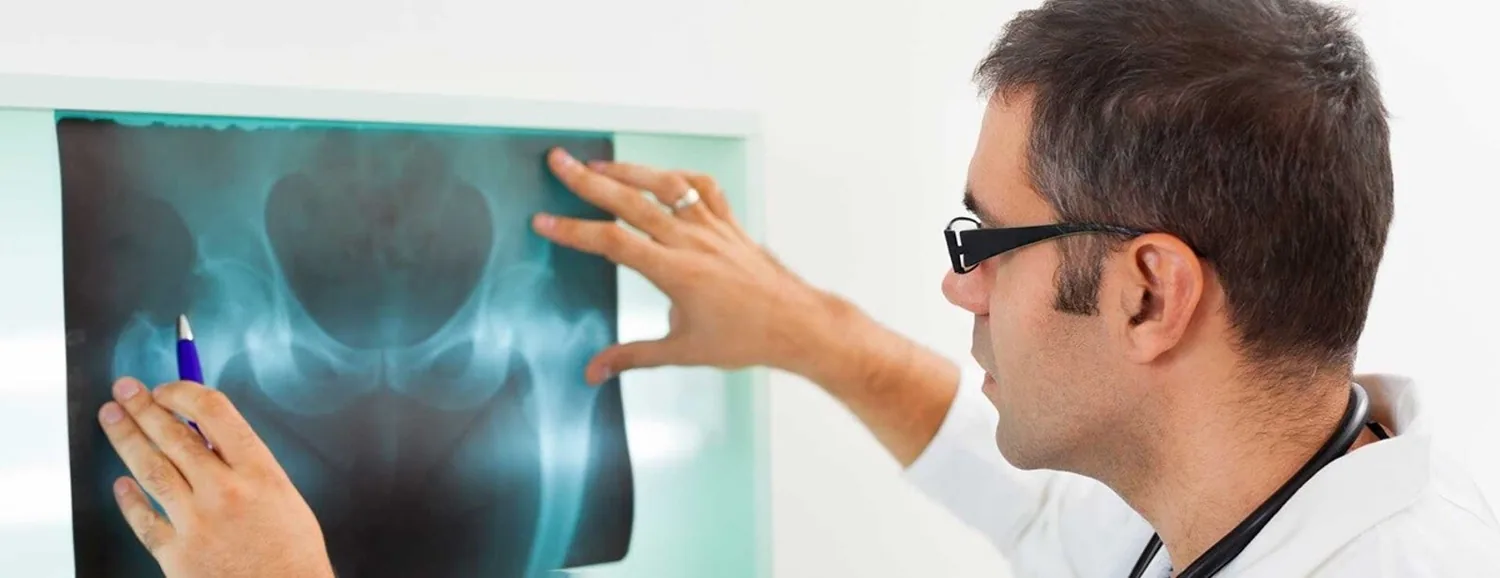
Age
Risk increases significantly after age 65, with the highest rates in those over 85.


Every year, millions of seniors worldwide suffer from hip fractures that can dramatically change their lives. Knowledge is the first step toward prevention.
0+
Annual hospitalisations
In the US alone
20–30%
Mortality
Die within one year of hip fracture
50%
Loss of mobility
Never regain pre-fracture mobility
€0+
Treatment cost
Average treatment cost per patient
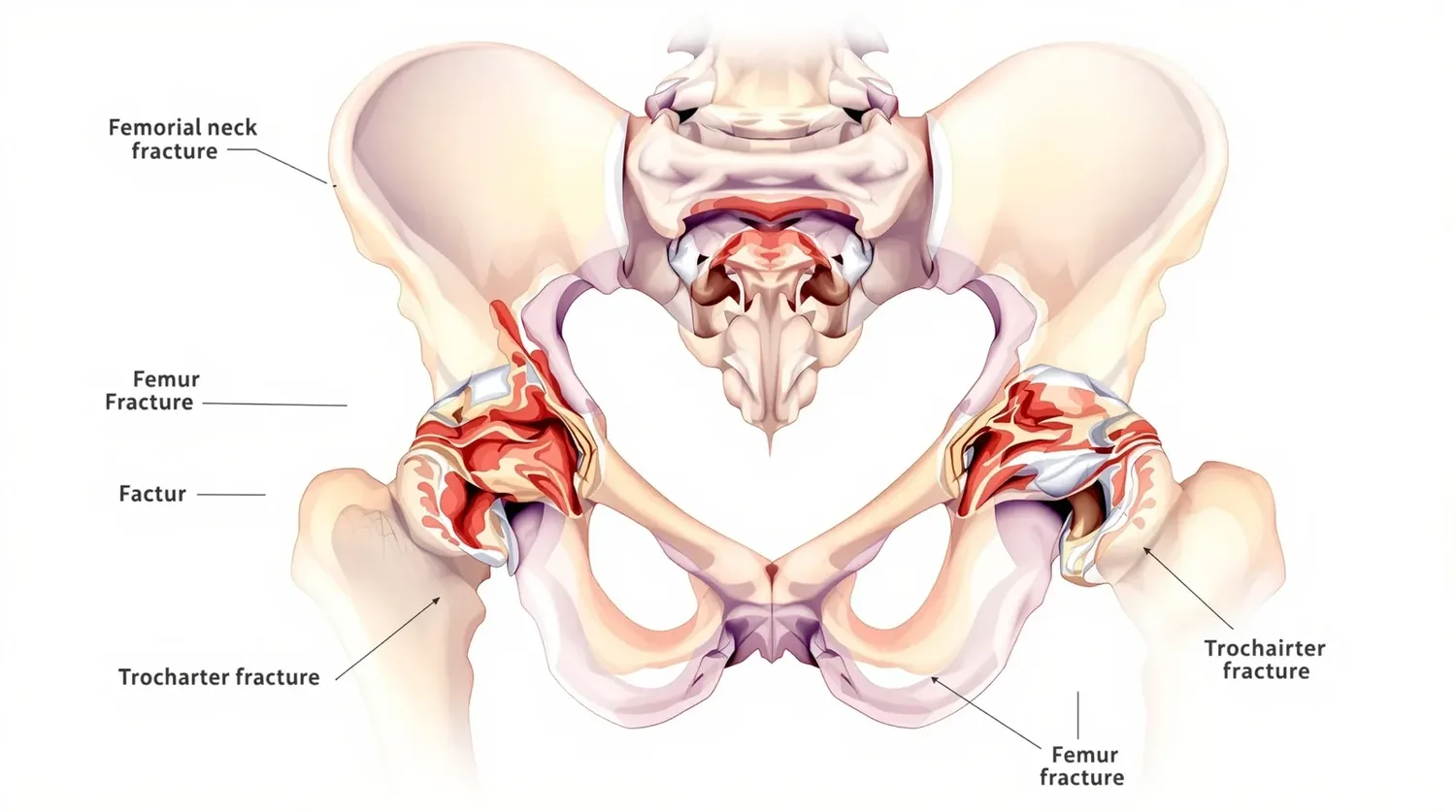
A hip fracture is a break in the upper part of the femur (thigh bone), near the hip joint. It’s one of the most serious fall-related injuries, particularly for older adults.
Break in the narrow section just below the ball of the hip joint.
Break in the area between the neck and the main part of the femur.
Break in the upper part of the femoral shaft.
Especially sideways falls that impact directly on the hip. The force threshold for a femoral neck fracture is approximately 3,000 Newtons — a force that can be reached in a simple fall.
Multiple factors can increase your risk of hip fracture. Understanding these can help you take preventive action.
Risk increases significantly after age 65, with the highest rates in those over 85.
Women are 2 to 3 times more likely to suffer hip fractures than men, especially after menopause.
Low bone density significantly weakens bones, making them more susceptible to fractures.
Certain medications can increase fall risk or decrease bone density.
A history of falls dramatically increases the likelihood of future falls and fractures.
Smoking, excessive alcohol consumption and a sedentary lifestyle increase risk.
Hip fractures have far-reaching effects that extend beyond the initial injury.
1 in 5
Approximately 20–30% of hip fracture patients die within one year of injury, often from complications like pneumonia, blood clots or infections.
50%
Half of hip fracture patients never regain their pre-fracture level of mobility and independence, requiring long-term care.
40%
Nearly 40% of hip fracture patients end up in a nursing home within the first year after injury.
6–12 mo
Full recovery can take 6–12 months or longer, with many patients experiencing chronic pain and disability.
The good news: hip fractures are largely preventable with the right approach.
Regular strength and balance exercises can reduce fall risk by up to 40%.
Remove tripping hazards, improve lighting, install grab bars and non-slip surfaces.
Adequate calcium, vitamin D and osteoporosis treatment when needed.
Regular eye exams and medication reviews to reduce fall-inducing side effects.
Wearable devices like padding or airbags that cushion the hip during a fall.
Regular bone density tests and fall risk assessments for early intervention.
With advanced airbag protection technology, FALL SAFE can reduce hip fracture risk by up to 95%. Don’t wait until it’s too late — protect yourself or your loved ones today.